The Problem: A Generation Trapped in Comparison
Facing a mental health crisis driven by social media.
One of the main problems facing young people aged 15 to 25 is smartphone addiction. Trapped in the constant dopamine loop of the infinite scroll, they also face the pressure of constant comparison against unattainable aspirational models—or directly 'fake gurus' whose business relies on this easily impressionable audience."
Year
2025
Duration
1 Week Design Sprint
Client
Study
Type
UX UI | Branding

Our success? You looking ugly in the photo.
Our success? You looking ugly in the photo.
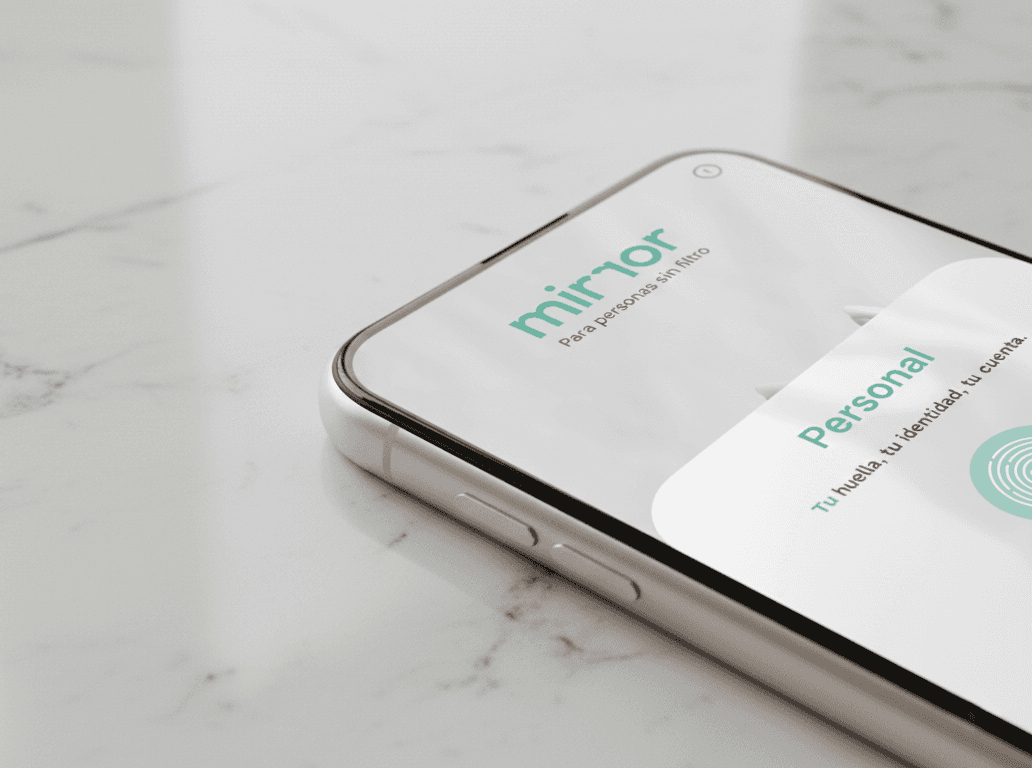
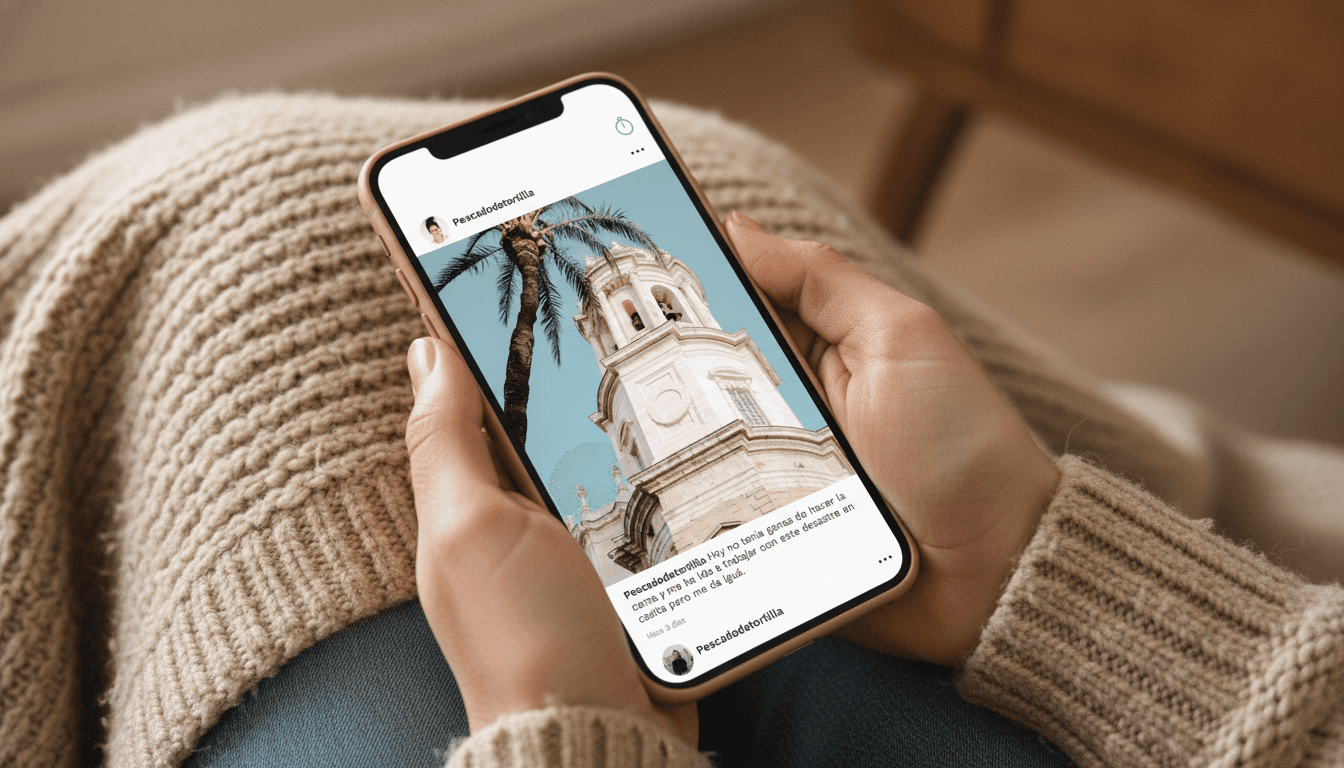
Our app, Mirror, aims to pump the brakes on the current social media frenzy—especially against giants like TikTok and Instagram. We’re betting on a space that is more natural and less staged, defined by three key differentiators: a biometric login to eliminate bots and multi-accounts; direct in-app capture to prevent editing and keep things fresh; and a limited usage window ranging from 30 to 60 minutes.
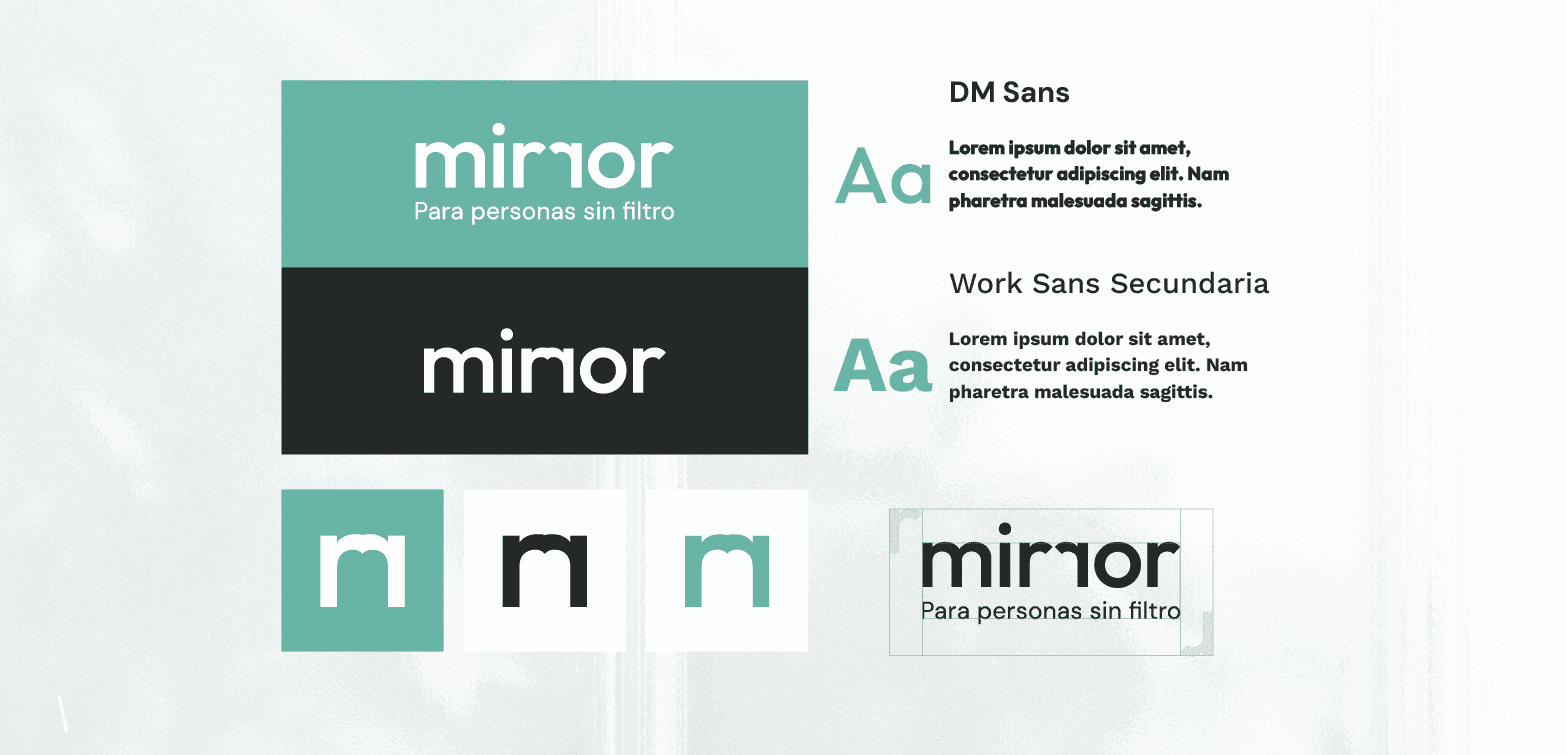

Brand Identity: Designed for Calm and Clarity
Built on a foundation of comfort.
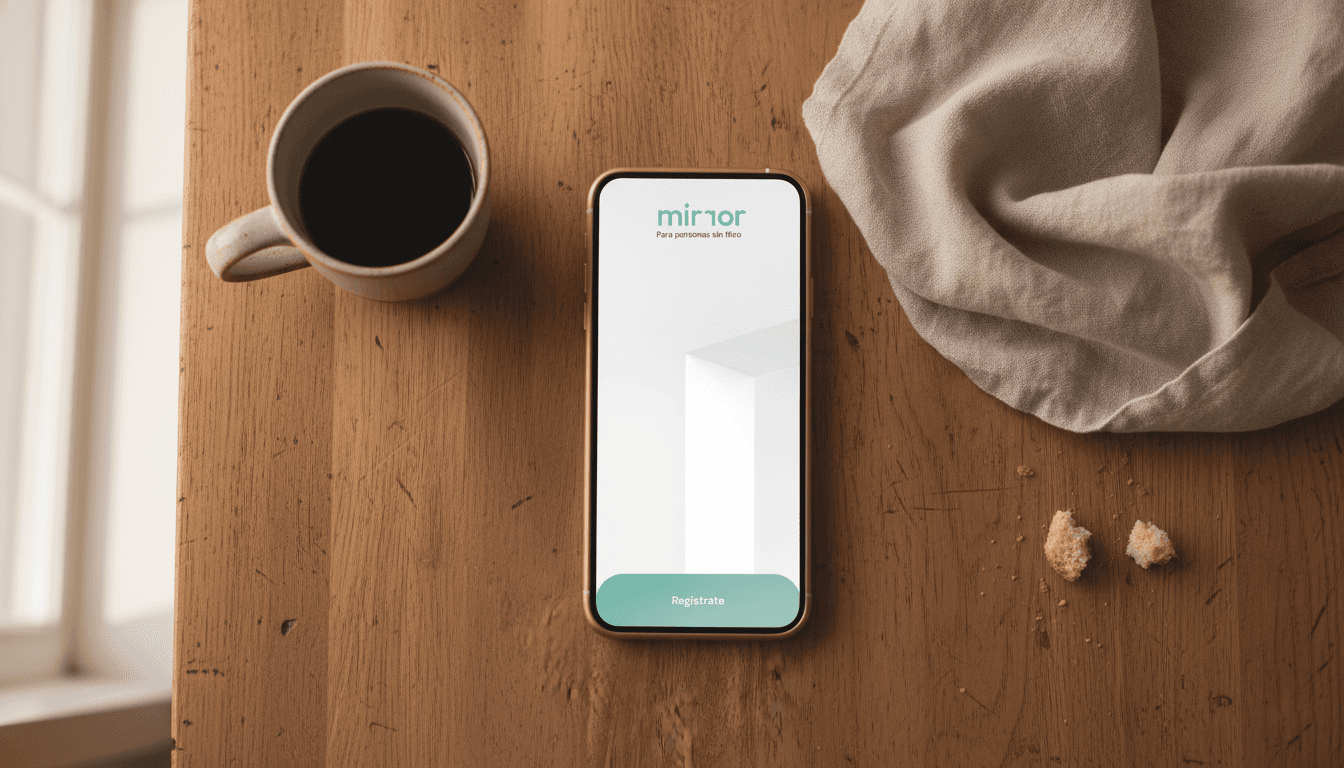
The brandwas approached in a direct way, with a clear and simple message. The letter 'r' reflects itself, creating a nod to the brand name; in the logo, the two 'r's join, symbolizing the connection between people and briefly forming that conceptual 'mirror.' The design system features a fresh green that evokes calm, charcoal grays, off-whites, and an 'Emphasis Orange' for notifications. We aimed to ensure strict AA legibility without resorting to loud or histrionic colors.
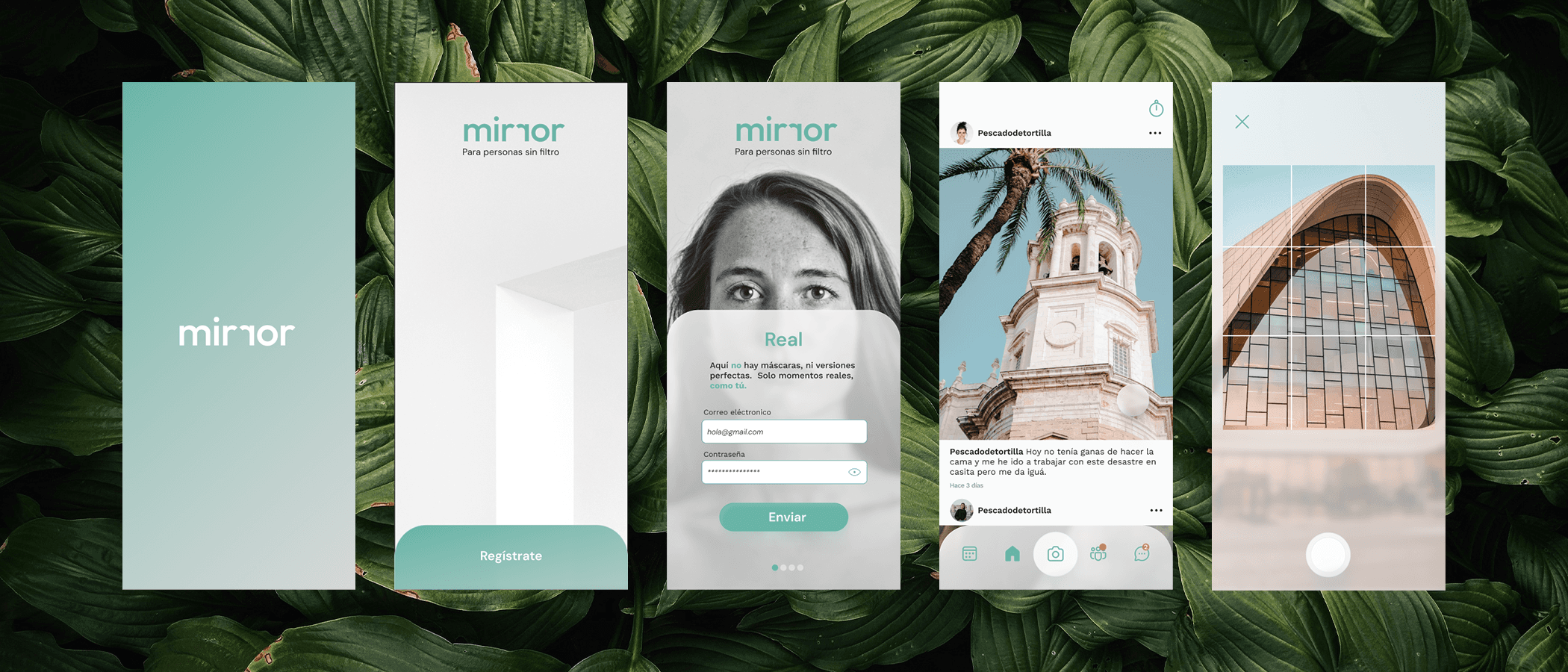
Methodology: A 5-Day Design Sprint
Move quickly from a concept to a validated solution.
We executed an intensive Design Sprint covering mapping, ideation, storyboard, and prototyping. This structured framework allowed us to define our target audience, brainstorm features using "How Might We" exercises, and build a realistic, user-centric prototype in just under a week.
Validation: Data-Driven Iterations
Testing.
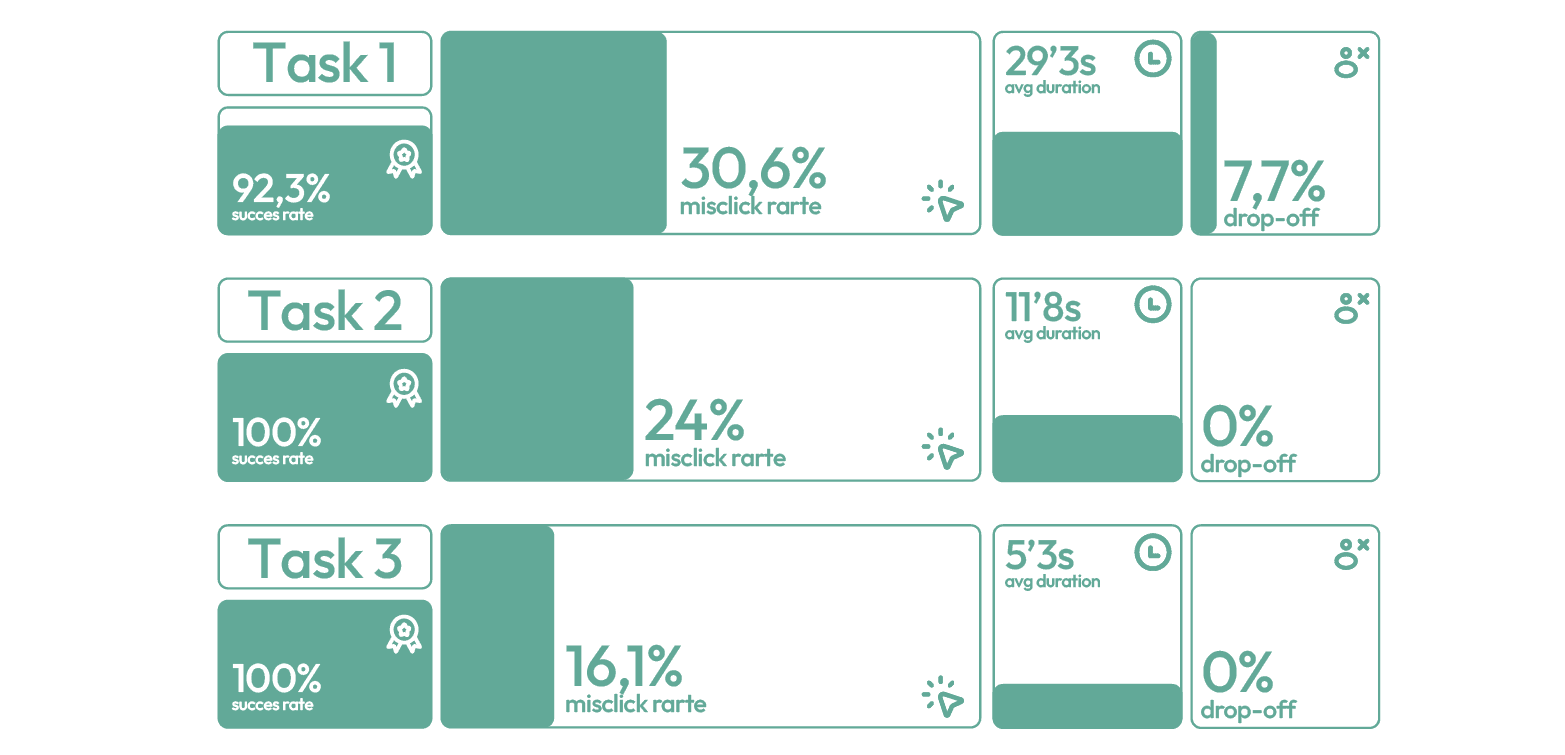
After conducting a Maze test with 15 users, the results were generally positive: usability was clear and the drop-off rate was nearly nonexistent. However, there is always room for improvement, so we got to work. We identified a friction point during the biometric onboarding. We iterated on that screen by adding a progress bar to clearly signal a multi-step process and implemented specific feedback so the user could perceive real progress. Additionally, the camera icon used to create posts was redesigned with a 'plus' symbol to clarify the interaction.
Following these changes, our hypothesis is that onboarding drop-off will decrease by at least 5%, and the misclick rate for posting (Task 1) will drop by at least 2% (task 2).
View More.
One story down. Many more to discover.