We live in cities we don't see.
Design Thinking & The Problem: The "Urban Zombie"
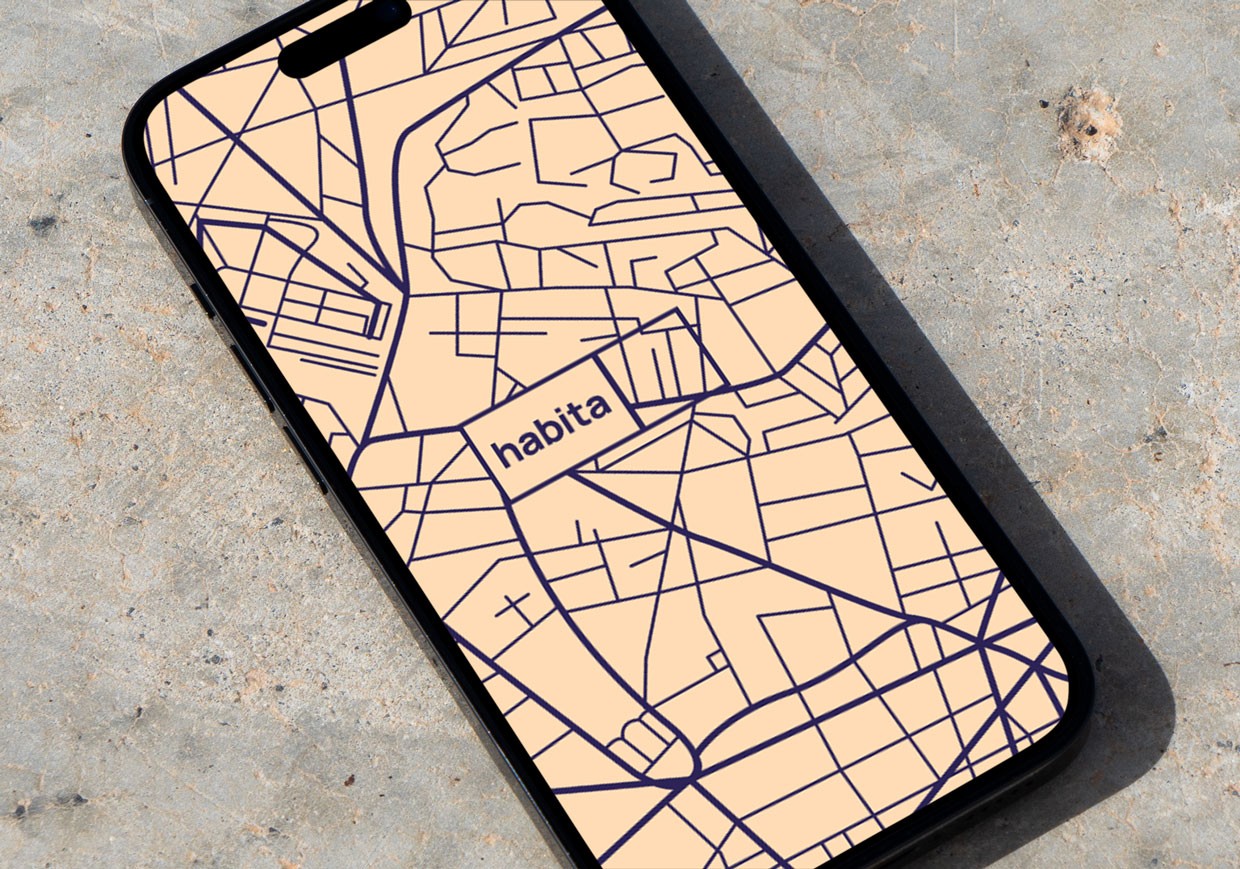
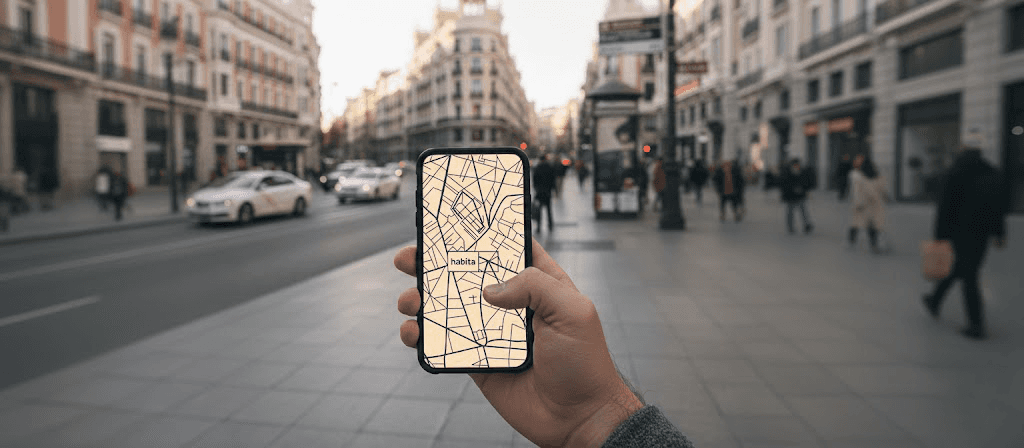
The Insight: We live in cities we do not see. Mass tourism has turned urban areas into stage sets and citizens into "Urban Zombies" who walk around staring at Google Maps. The Pivot: Following initial research, I discarded the idea of a conventional tourism app. Leaning on neuroscience (Steve Ramirez) and the theory of "No-Places," I redefined the problem: the city's memory hasn't disappeared, it is just dormant. The Solution: We don't need to search for places; we need places to find us. Habita is not a guide; it is a context radar.
Year
2026
Duration
4 Months Design Thinking
Client
Study
Type
UX | UI
Product Design
Calm Tech & Passive Fishing
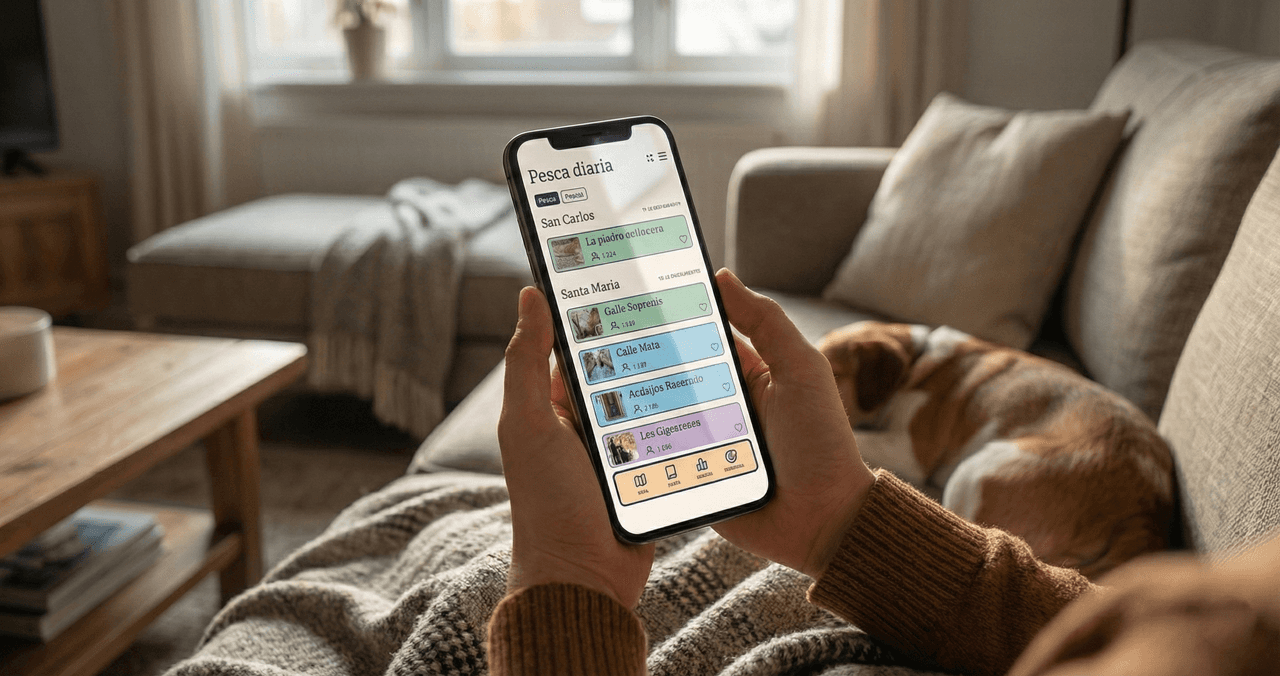
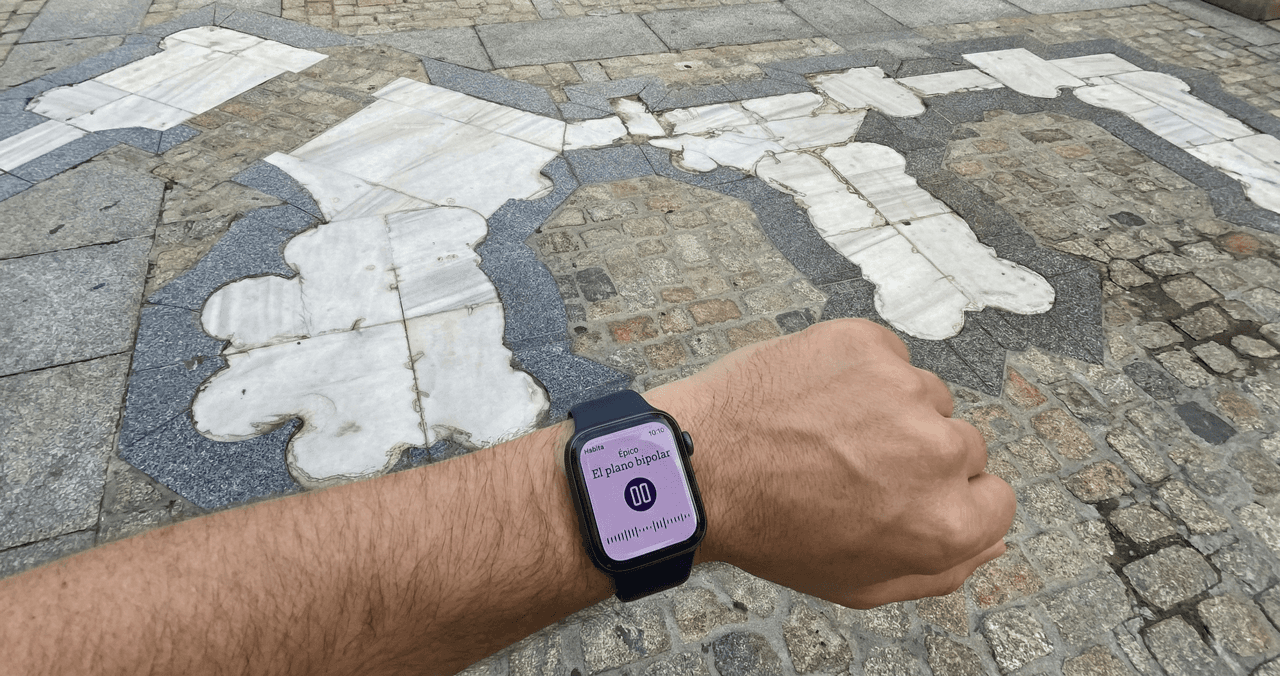
Passive Fishing Mechanic: The phone sleeps in your pocket. It only vibrates when you cross an "engram" (historical point).
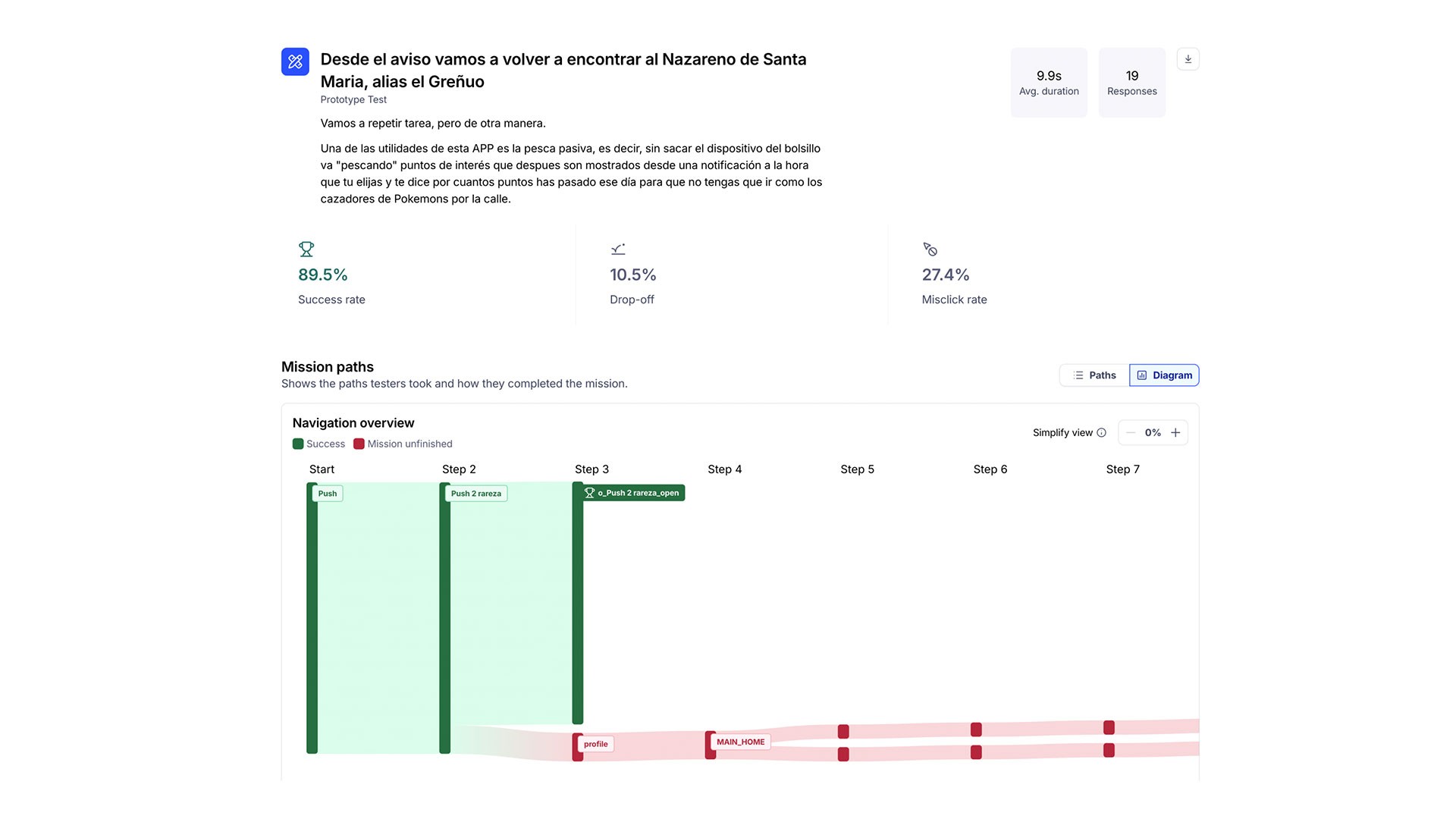
9.9s Interaction: I designed a flow where the user takes out the phone, captures the memory, and saves it. No complex maps, no routes
.From "Like" to "Legacy": I eliminated "Favorites" to introduce the Album concept. The user doesn't consume content; they build a personal memory vault.

Accessibility:
Designing for the Street
As an outdoor-use app, accessibility wasn't a final checklist item but the visual starting point:
Visibility (Glare): High-contrast interface (Dark Mode) with robust Serif typography (Arvo) and thick-bordered cards to ensure readability under direct sunlight.
Semantic Audio: I designed a sound notification system based on musical scales. The user knows the "rarity" of the find by the sound alone, without needing to look at the screen (respecting the headphone "Cinema Mode").
Cognitive Load: Text reduced to "pills" for consumption on the move.

Zeroheight
Design System & Resources
To ensure product scalability, I didn't design loose screens but a living atomic system.
Documentation: The entire component system, color tokens, and typography are documented in Zeroheight.
Consistency: This allows the visual language (that mix of romanticism and brutalism) to remain coherent across every iteration, facilitating developer hand-off.
Validation & Metrics
Testing.
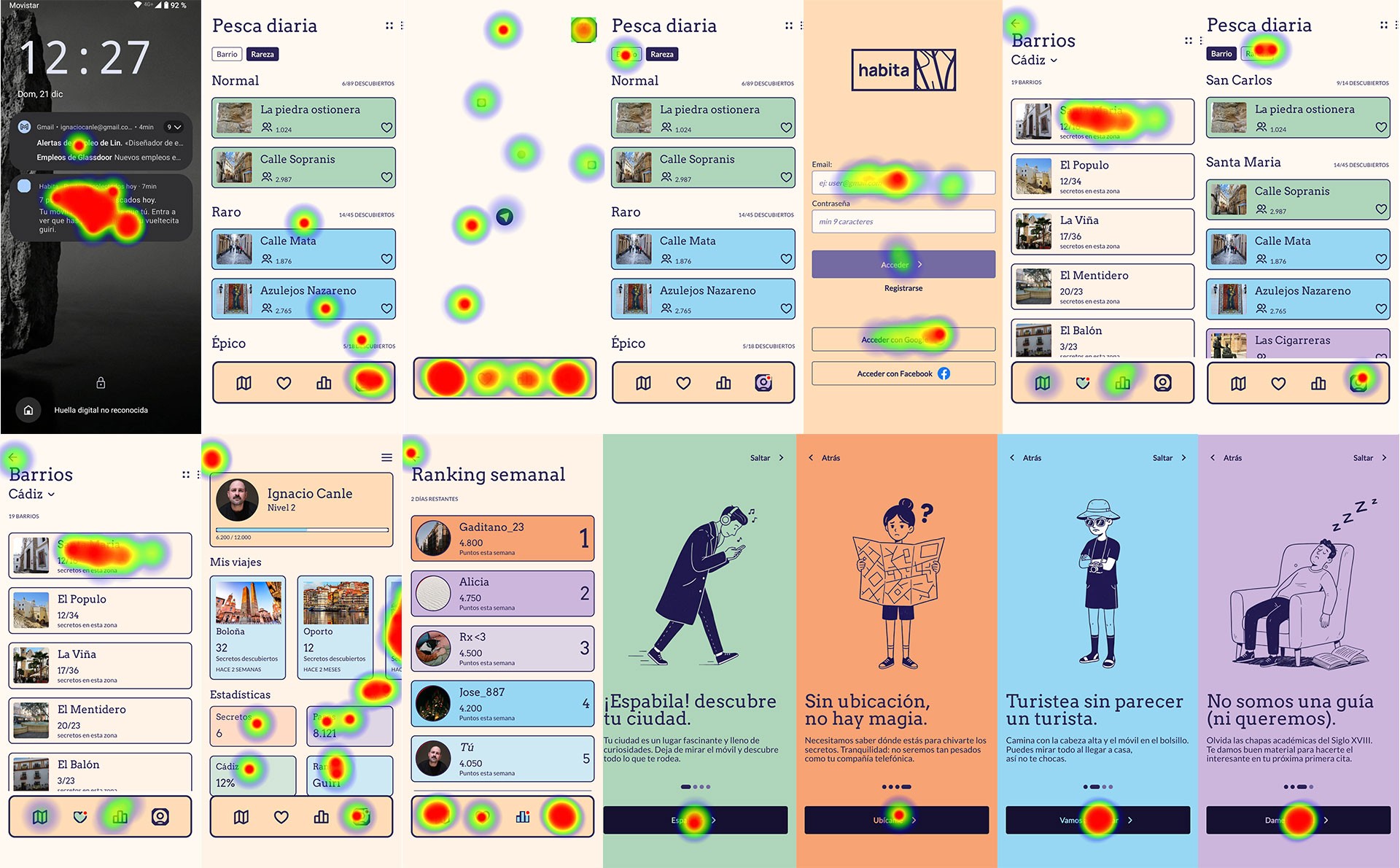
Measuring is the only way to avoid lying to yourself. Data from the latest iteration (N=8) proved that design fixes real problems:
The Win: In the Journeys module, we managed to slash the error rate from a historical 31% down to 9.7%. Simply by swapping ambiguous icons for clear semantic labels, friction vanished.
Conclusion: The numbers validate the hypothesis: when the system speaks clearly (text vs. icons), the user doesn't fail. The v2.0 roadmap will focus on applying this "semantic medicine" to the sign-up flow.
If u want u can check deeple my project in the next links.
View More.
One story down. Many more to discover.